
Step-by-Step Guide: What to Do When a Loved One Passes Away in the Philippines (2026)

February 25, 2026

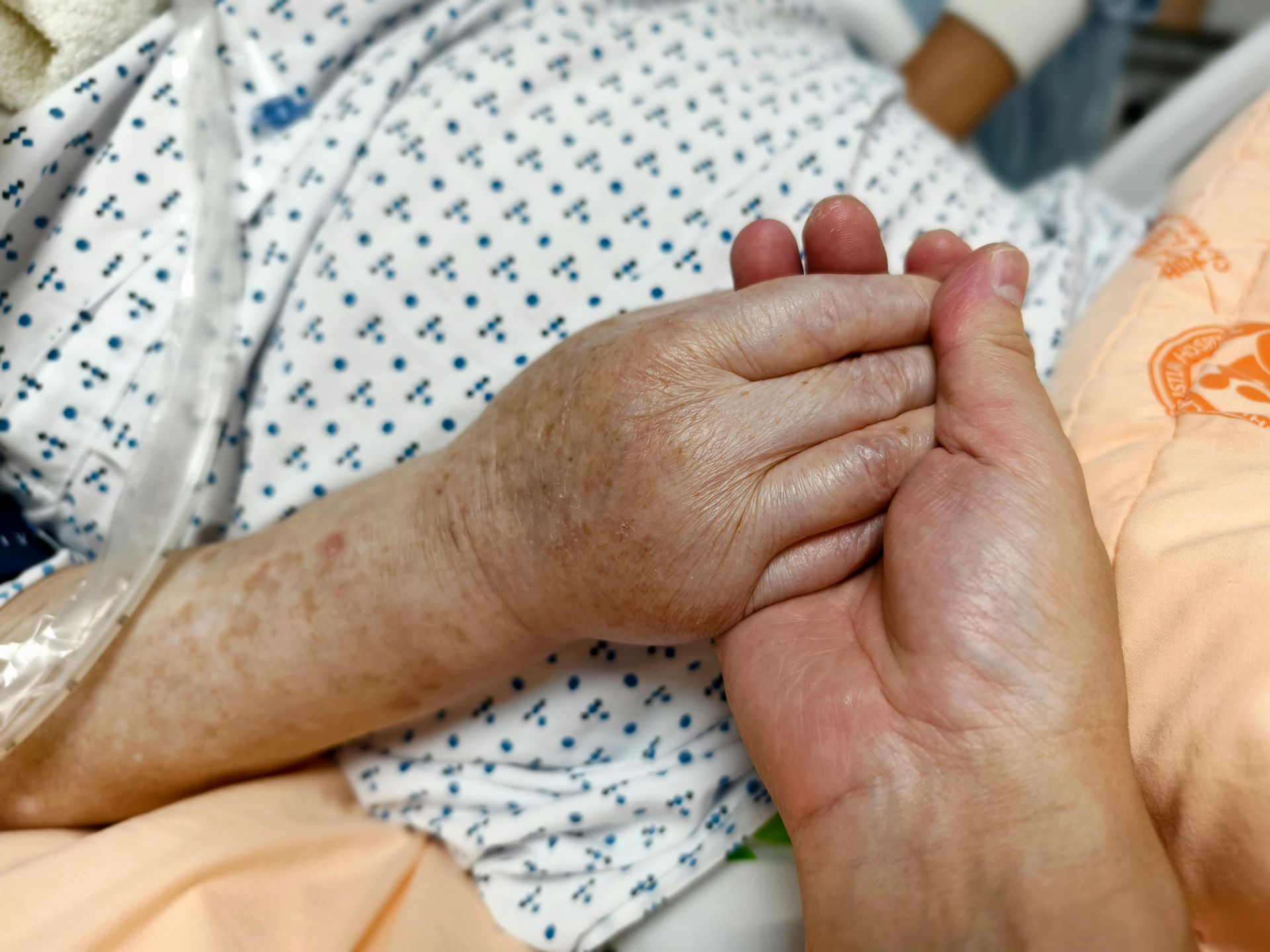
Losing a loved one is one of the most painful experiences anyone can go through. During this emotional time, many families feel overwhelmed and unsure about the necessary steps. This guide aims to walk you through the important actions you need to take in the Philippines.

1. Immediate Steps (First 24 Hours)

  • Contact the attending physician – If your loved one passed at home or in a hospital, the doctor must issue the Death Certificate.
  • Call a funeral home – Most families contact a trusted funeral service immediately. They can help with transportation of the body (if needed).
  • Notify immediate family members – Inform close relatives as soon as possible.

2. Secure Important Documents

You will need the following:

  • Death Certificate (issued by the doctor)
  • Birth Certificate of the deceased
  • Marriage Certificate (if applicable)
  • Valid IDs of the next of kin

3. Arrange the Wake and Funeral

Common decisions you need to make:

  • Wake duration (usually 3–7 days for Catholics)
  • Burial or Cremation
  • Memorial service location (church, funeral home, or at home)
  • Casket or urn
  • Catering and flowers


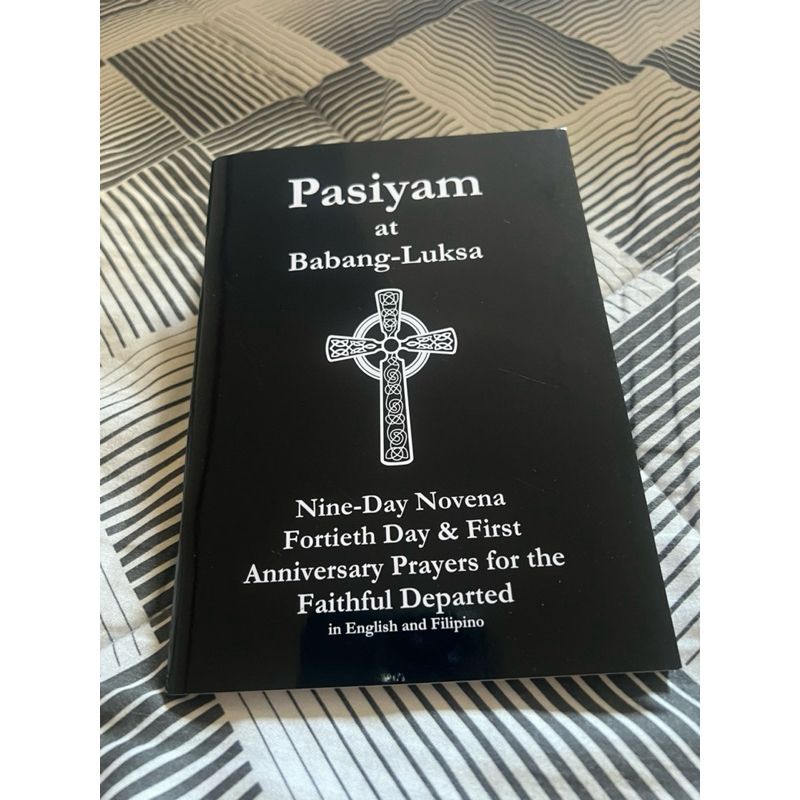
Tip: Many Filipino families hold the wake at home or in a funeral parlor chapel. The traditional 9-day prayer (novena) is still commonly observed.

4. Legal and Government Requirements

  • Register the death at the Local Civil Registry within 30 days.
  • Secure a Permit to Transport if the body will be moved to another province.
  • If the deceased was employed, coordinate with their company for final benefits, SSS, or Pag-IBIG death benefits.
  • Check for life insurance policies and funeral plans.

5. Financial Considerations

  • Funeral costs in the Philippines typically range from ₱50,000 to ₱300,000+ depending on the package.
  • Review any pre-need funeral plans (e.g., St. Peter, PhilPlans, etc.).
  • Ask family members if they would like to help share expenses.

6. Creating a Lasting Tribute

After the funeral, many families find comfort in creating an online memorial page where they can:

  • Share photos and memories
  • Allow friends and relatives to leave condolences
  • Keep the memory alive for future generations


At Forever Here PH, you can create a beautiful, permanent obituary and memorial page for your loved one.

Share post
Latest posts
March 27, 2026
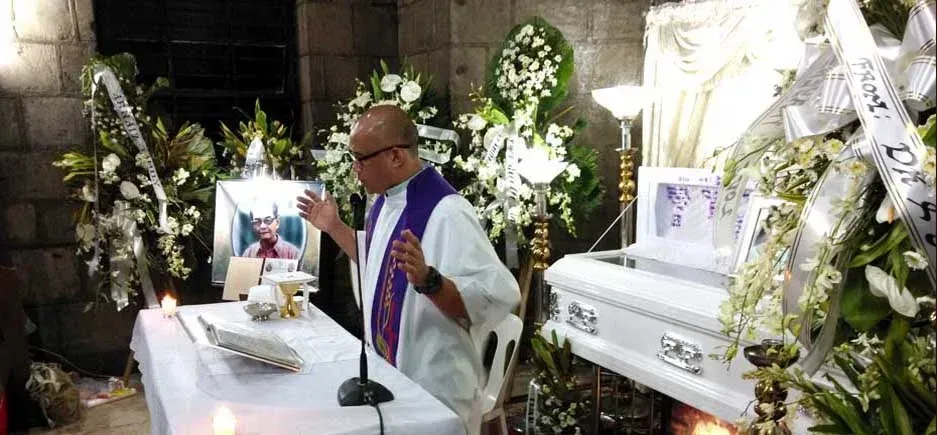
In the Philippines, saying goodbye to a loved one is not done in a single day. The traditional 9-day wake (commonly called lamay) followed by the 9 days of prayer (pasiyam) is one of the most important Catholic customs observed by Filipino families. This practice blends deep faith, family love, and community support.
March 25, 2026
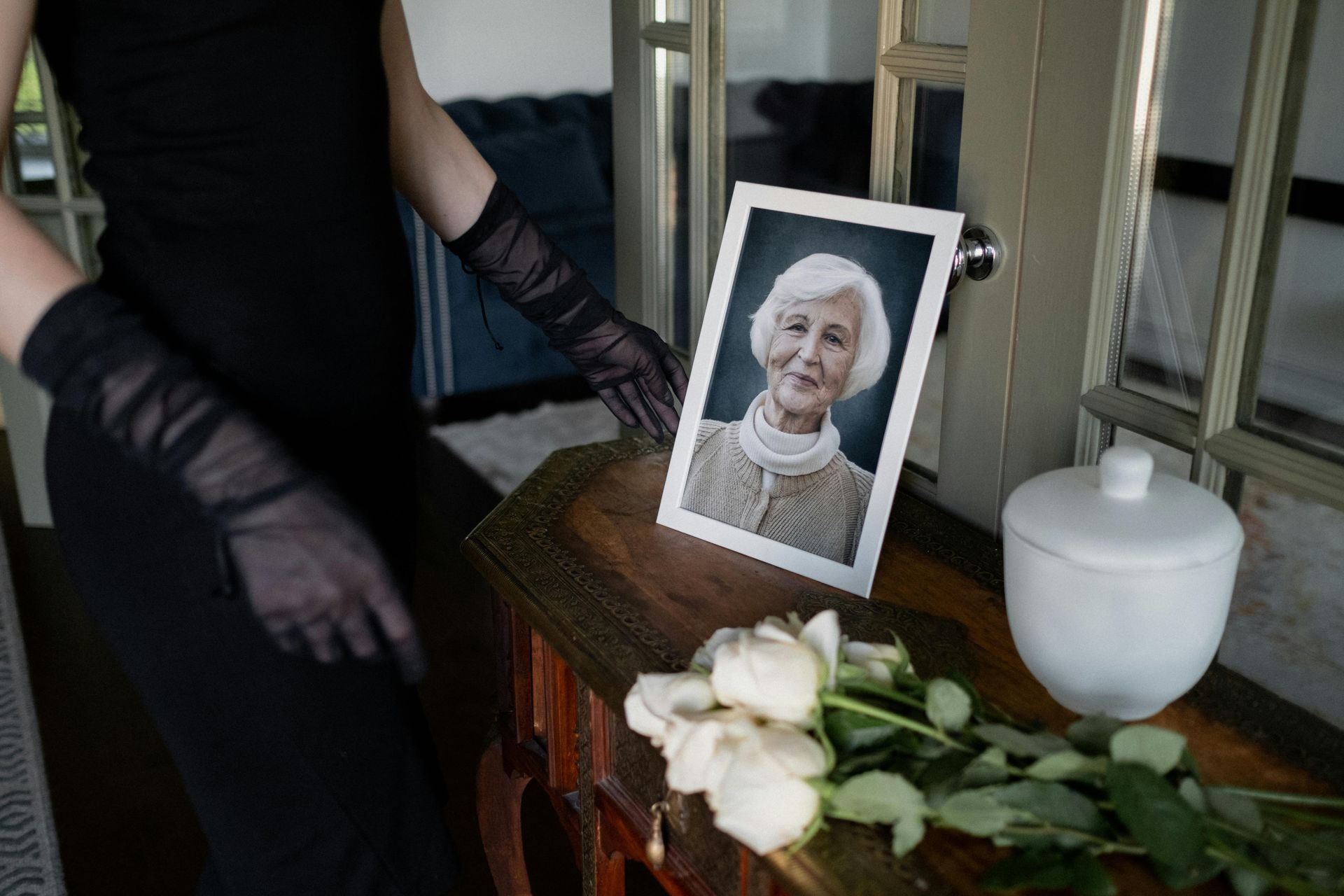
Funerals in the Philippines are deeply rooted in Catholic faith, family bonds, and cultural traditions. For those unfamiliar with the process, a Catholic wake and funeral can feel overwhelming. This guide will help you understand what to expect during this sacred time.
March 23, 2026
One of the most difficult decisions families face after losing a loved one is whether to choose burial or cremation. There is no single “right” answer — only what feels most respectful and practical for your family, your faith, and your finances.  Here’s a clear and compassionate guide to help you weigh your options in the Philippine context.

March 27, 2026
In the Philippines, saying goodbye to a loved one is not done in a single day. The traditional 9-day wake (commonly called lamay) followed by the 9 days of prayer (pasiyam) is one of the most important Catholic customs observed by Filipino families. This practice blends deep faith, family love, and community support.
March 25, 2026
Funerals in the Philippines are deeply rooted in Catholic faith, family bonds, and cultural traditions. For those unfamiliar with the process, a Catholic wake and funeral can feel overwhelming. This guide will help you understand what to expect during this sacred time.
March 23, 2026
One of the most difficult decisions families face after losing a loved one is whether to choose burial or cremation. There is no single “right” answer — only what feels most respectful and practical for your family, your faith, and your finances.  Here’s a clear and compassionate guide to help you weigh your options in the Philippine context.