
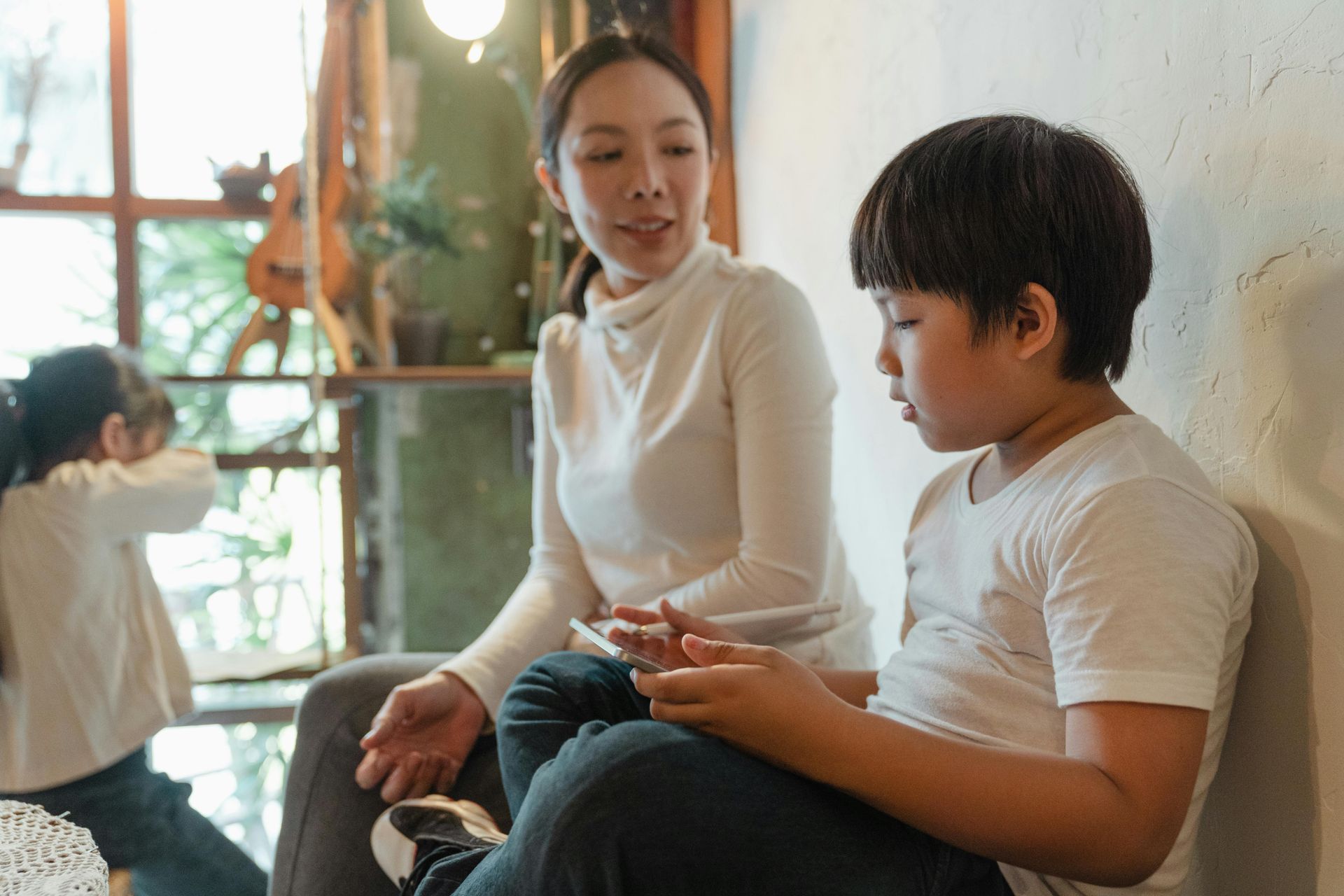
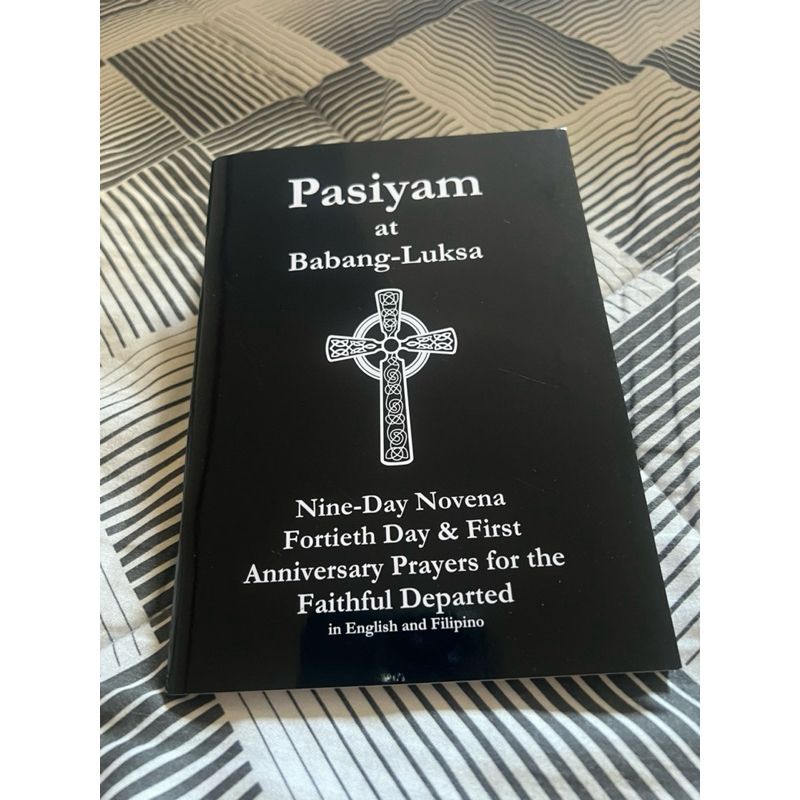
In the Philippines, saying goodbye to a loved one is not done in a single day. The traditional 9-day wake (commonly called lamay) followed by the 9 days of prayer (pasiyam) is one of the most important Catholic customs observed by Filipino families. This practice blends deep faith, family love, and community support.
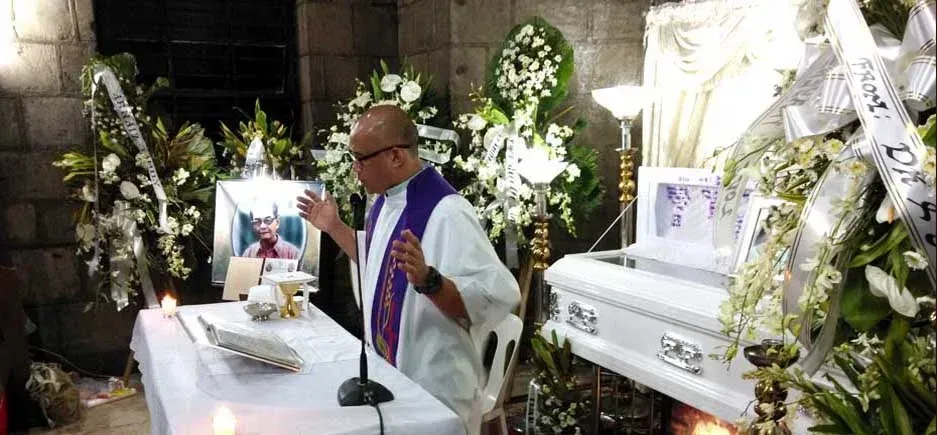
Funerals in the Philippines are deeply rooted in Catholic faith, family bonds, and cultural traditions. For those unfamiliar with the process, a Catholic wake and funeral can feel overwhelming. This guide will help you understand what to expect during this sacred time.
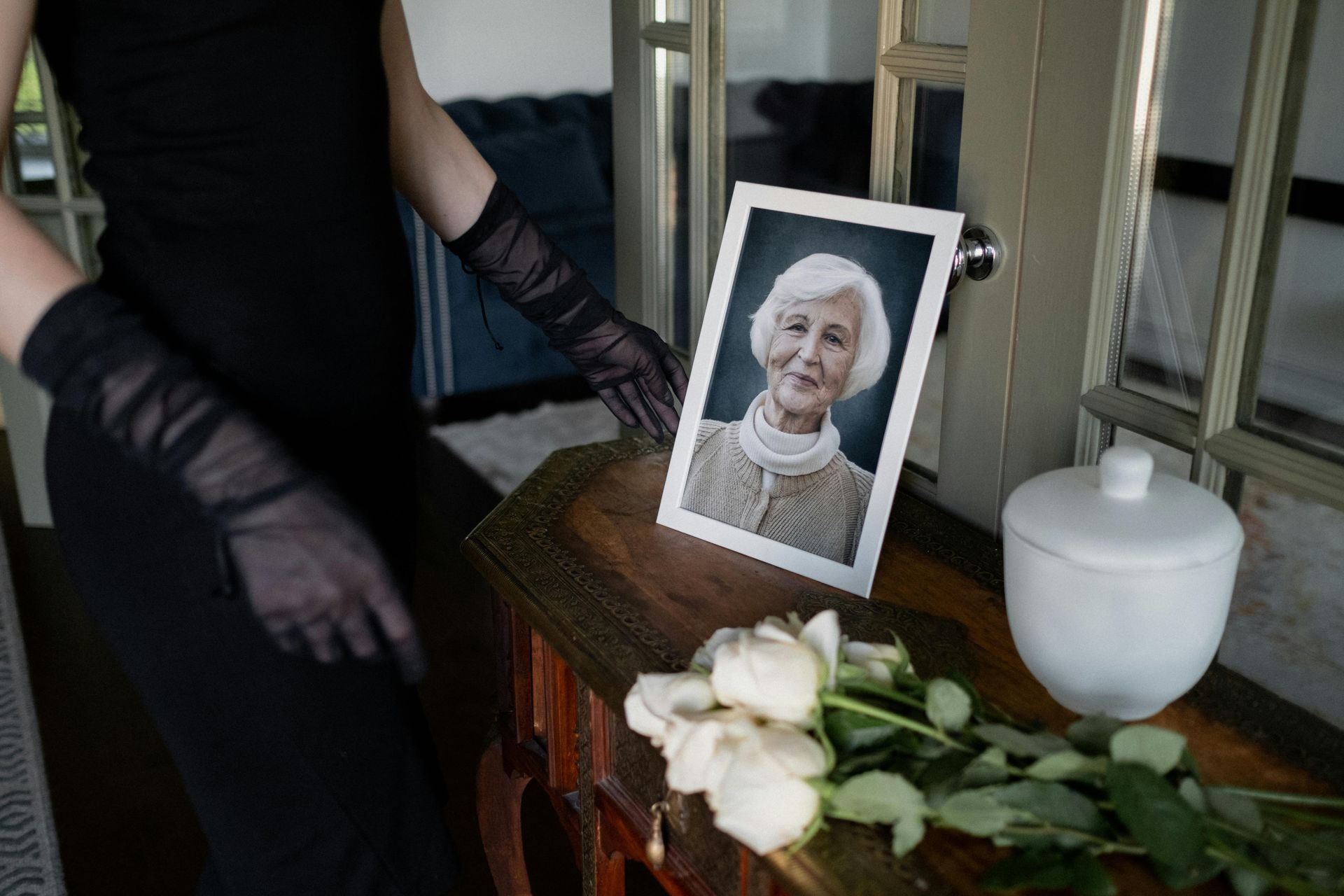
One of the most difficult decisions families face after losing a loved one is whether to choose burial or cremation. There is no single “right” answer — only what feels most respectful and practical for your family, your faith, and your finances. Here’s a clear and compassionate guide to help you weigh your options in the Philippine context.
In the Philippines, saying goodbye to a loved one is not done in a single day. The traditional 9-day wake (commonly called lamay) followed by the 9 days of prayer (pasiyam) is one of the most important Catholic customs observed by Filipino families. This practice blends deep faith, family love, and community support.
Funerals in the Philippines are deeply rooted in Catholic faith, family bonds, and cultural traditions. For those unfamiliar with the process, a Catholic wake and funeral can feel overwhelming. This guide will help you understand what to expect during this sacred time.
One of the most difficult decisions families face after losing a loved one is whether to choose burial or cremation. There is no single “right” answer — only what feels most respectful and practical for your family, your faith, and your finances. Here’s a clear and compassionate guide to help you weigh your options in the Philippine context.