
The Importance of Allowing Yourself to Mourn

March 18, 2026

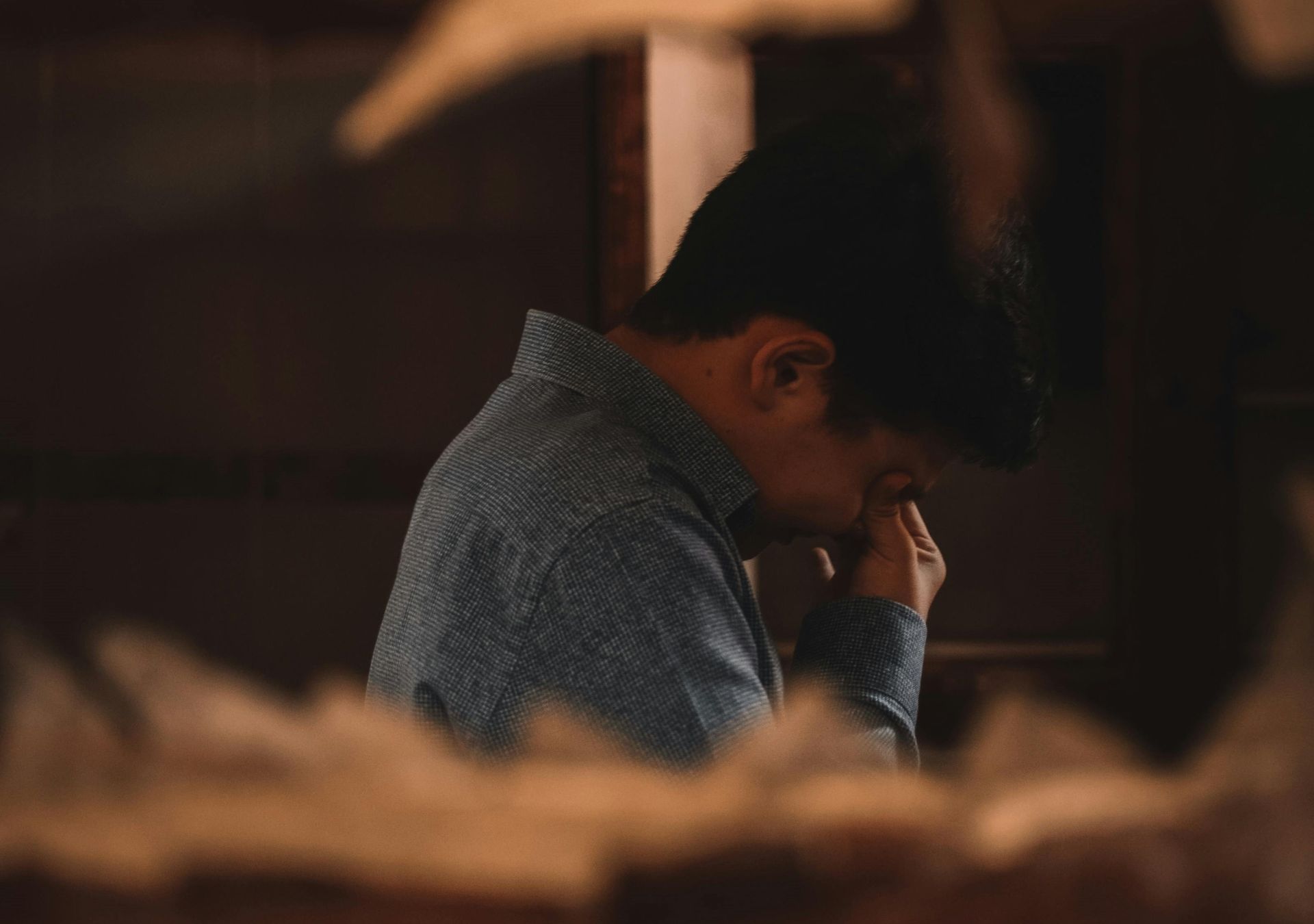
In times of loss, many of us try to stay strong for our family. We push aside our tears, keep ourselves busy with arrangements, and tell ourselves “I have to be okay.” While this comes from a place of love, suppressing your grief can actually make the pain heavier in the long run.


Allowing yourself to mourn is not a sign of weakness — it is an act of honesty and self-compassion.

Why Mourning Matters

Grief is the natural response to losing someone you love. When you allow yourself to mourn:

  • You honor the depth of your love for the person who passed.
  • You give your heart and mind space to slowly adjust to a new reality.
  • You prevent emotions from being buried deep, which can later show up as anxiety, anger, physical illness, or prolonged sadness.


Suppressing grief doesn’t make it disappear. It only delays the healing process.

It’s Okay Not to Be Okay

Many Filipinos grow up believing they must remain strong, especially for the family. But true strength also includes the courage to cry, to sit with sadness, and to admit “This hurts.”


You are allowed to:

  • Cry even weeks or months after the funeral
  • Feel tired, irritable, or forgetful
  • Have days when you don’t want to talk to anyone
  • Miss them intensely on ordinary days


These are all normal parts of the mourning journey.

Healthy Ways to Allow Yourself to Mourn

  • Create space for grief — Set aside quiet time to look at photos, visit their grave, or simply sit with your feelings.
  • Express your emotions — Cry, journal, pray, or talk to a trusted friend or family member.
  • Honor your loved one — Light a candle, play their favorite song, cook their favorite dish, or tell stories about them.
  • Pray honestly — Tell God exactly how you feel. He already knows your pain.
  • Seek gentle support — Join a bereavement group, speak with a priest, or talk to a counselor.

A Gentle Reminder

Mourning is not about forgetting your loved one. It is about learning to carry their memory with love instead of overwhelming pain. Healing doesn’t mean the love ends. It means the love finds a new, quieter place in your heart.


There is no timetable for grief. Some days will feel lighter, and some days the sadness may return strongly — both are okay. Be patient with yourself.


At Forever Here PH, we created a safe and peaceful space for you to mourn and remember. Our online memorial pages allow you to share photos, stories, and messages — a place where you can return anytime to feel close to your loved one and receive comfort from family and friends.


You are not alone in your grief. Allow yourself to mourn. Your tears are sacred, and your love is beautiful.


Take it one day at a time. God is walking with you.

Share post
Latest posts
March 27, 2026
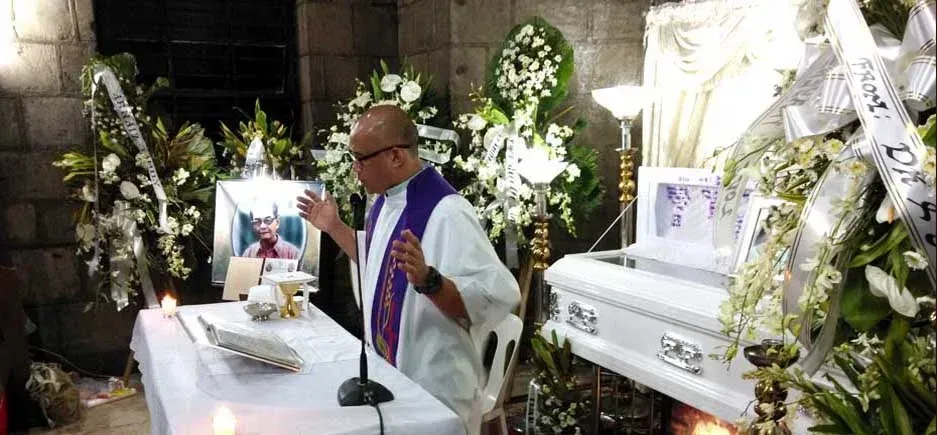
In the Philippines, saying goodbye to a loved one is not done in a single day. The traditional 9-day wake (commonly called lamay) followed by the 9 days of prayer (pasiyam) is one of the most important Catholic customs observed by Filipino families. This practice blends deep faith, family love, and community support.
March 25, 2026
Funerals in the Philippines are deeply rooted in Catholic faith, family bonds, and cultural traditions. For those unfamiliar with the process, a Catholic wake and funeral can feel overwhelming. This guide will help you understand what to expect during this sacred time.
March 23, 2026
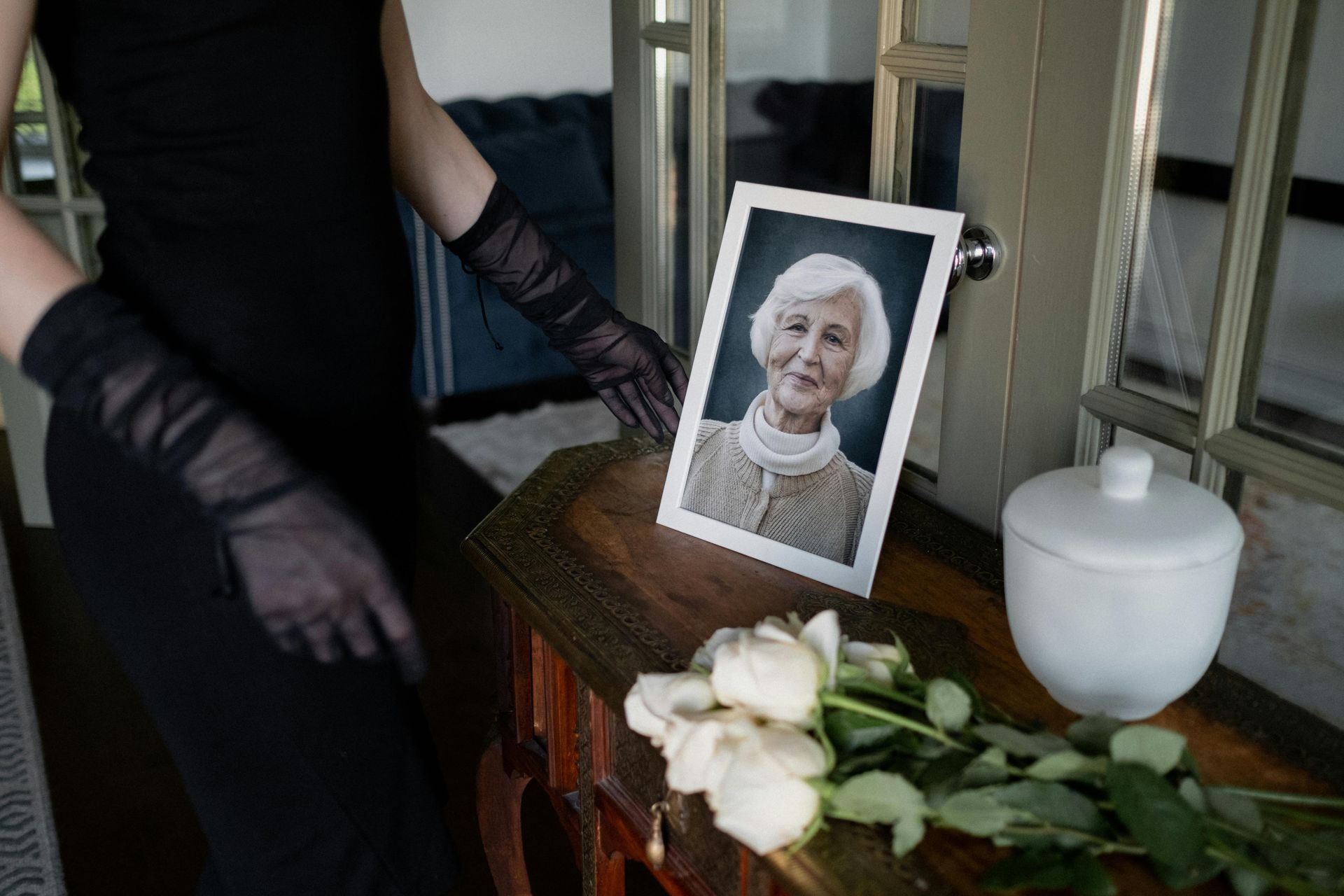
One of the most difficult decisions families face after losing a loved one is whether to choose burial or cremation. There is no single “right” answer — only what feels most respectful and practical for your family, your faith, and your finances.  Here’s a clear and compassionate guide to help you weigh your options in the Philippine context.

March 27, 2026
In the Philippines, saying goodbye to a loved one is not done in a single day. The traditional 9-day wake (commonly called lamay) followed by the 9 days of prayer (pasiyam) is one of the most important Catholic customs observed by Filipino families. This practice blends deep faith, family love, and community support.
March 25, 2026
Funerals in the Philippines are deeply rooted in Catholic faith, family bonds, and cultural traditions. For those unfamiliar with the process, a Catholic wake and funeral can feel overwhelming. This guide will help you understand what to expect during this sacred time.
March 23, 2026
One of the most difficult decisions families face after losing a loved one is whether to choose burial or cremation. There is no single “right” answer — only what feels most respectful and practical for your family, your faith, and your finances.  Here’s a clear and compassionate guide to help you weigh your options in the Philippine context.