
Understanding Lamay Culture in the Philippines: Why We Stay, Pray, and Remember Together

February 19, 2026

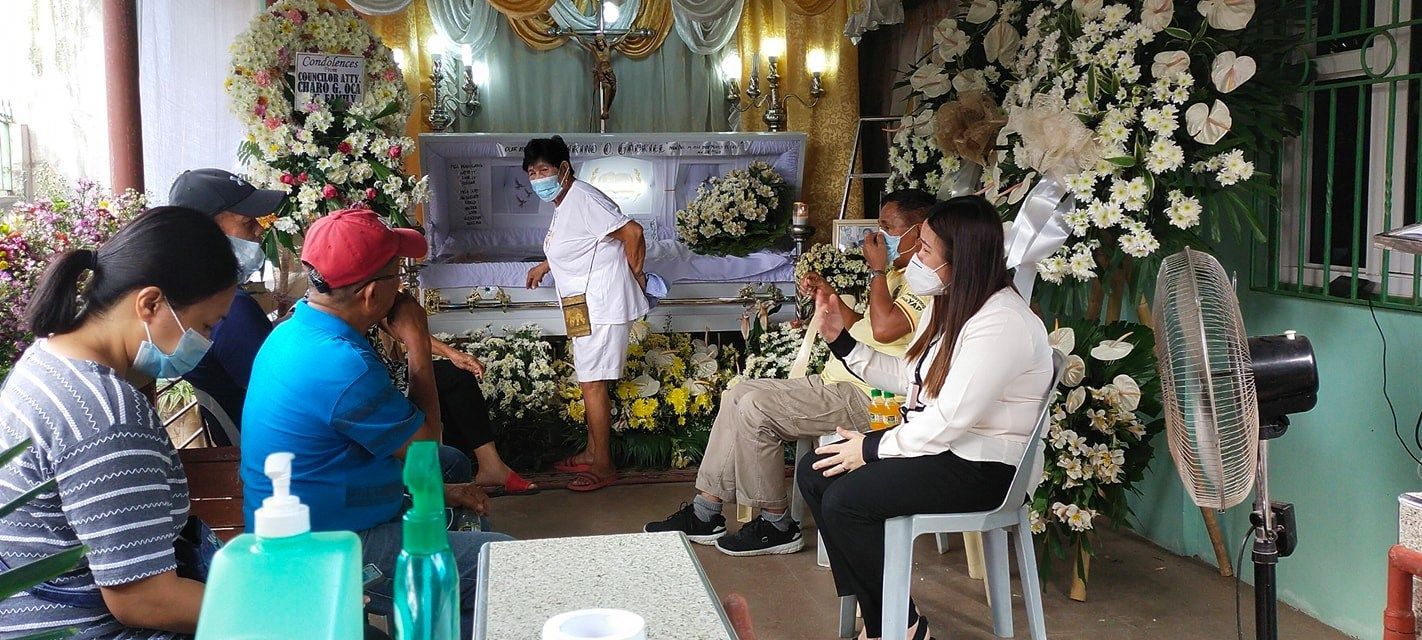
In the Philippines, grief is never meant to be carried alone. One of the most meaningful traditions that reflects this is the lamay — the Filipino wake.


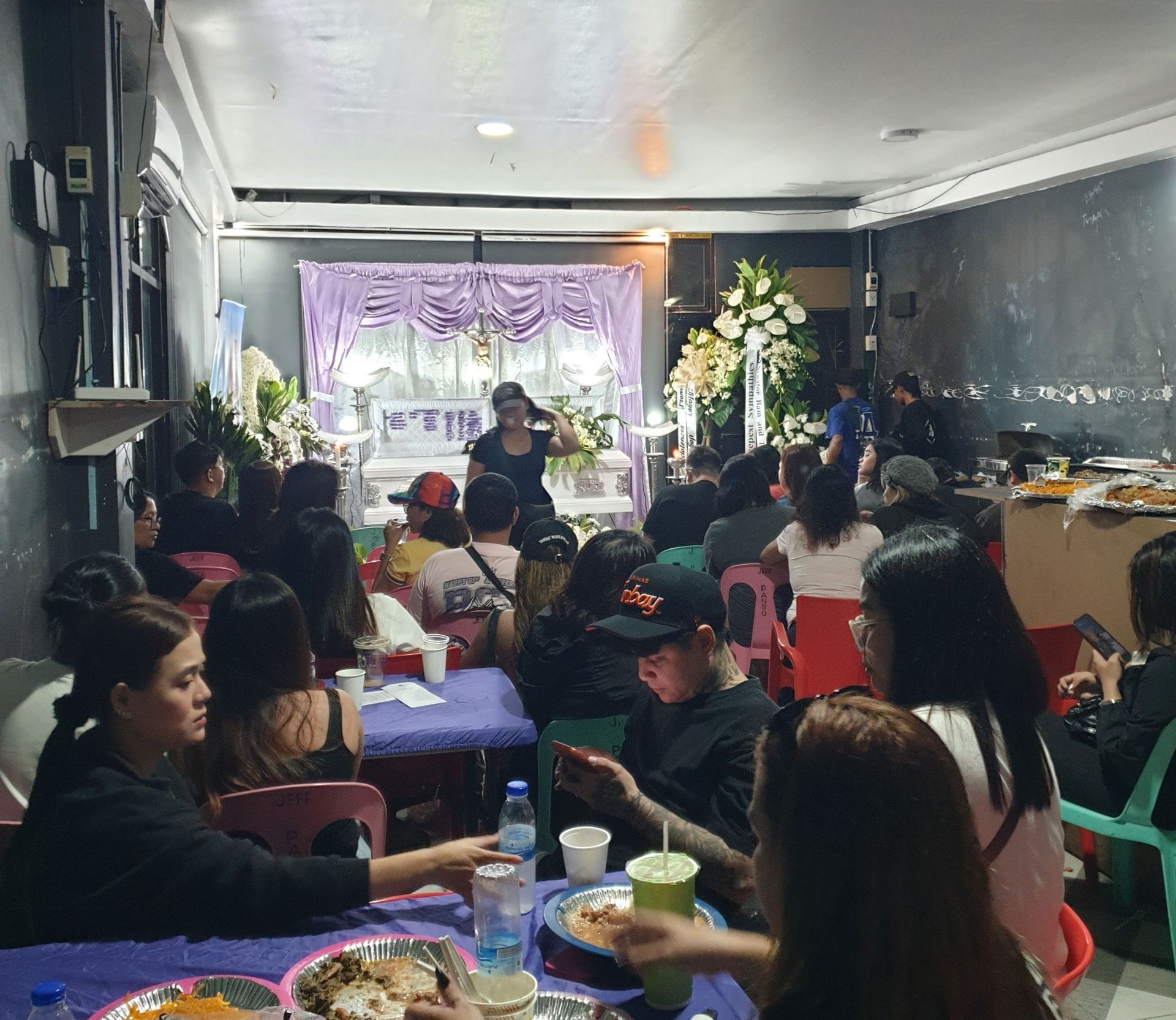
A lamay is more than just a viewing. It is a gathering of family, friends, neighbors, and even distant acquaintances who come together to pray, share stories, offer support, and keep vigil with the departed.

What Is a Lamay?

A lamay is a multi-day wake held before burial. It usually lasts from three to seven days, sometimes longer depending on family tradition. The deceased is displayed in a casket — often at home or in a funeral chapel — where visitors can pay their respects.


The practice is deeply rooted in Filipino values of:

  • Bayanihan (community spirit)
  • Close family ties
  • Religious faith
  • Respect for the dead

Why Filipinos Hold Lamay

Lamay serves several important purposes:


  1. Spiritual Support - Many Filipino families are Catholic, and prayers such as the novena and rosary are central to the wake. These prayers are believed to guide the soul on its journey to eternal rest.
  2. Emotional Support - The lamay gives grieving families space to process their loss while surrounded by support. Visitors bring food, financial help, and comforting words.
  3. Community Presence - It is common for neighbors and friends to stay overnight. The wake becomes a shared experience — conversations, coffee, and storytelling continue into the early hours of the morning.

The Atmosphere of a Lamay

Unlike Western wakes, Filipino lamay gatherings can feel both solemn and lively. You may hear:

  • Prayers and hymns
  • Laughter as stories are shared
  • Card games played by those keeping vigil overnight
  • The constant brewing of coffee


This blend of grief and life reflects a uniquely Filipino understanding: mourning and remembering can exist side by side.

Lamay in Modern Times

Today, lamay traditions continue in funeral chapels across the country. Some families also create online memorial pages to allow relatives abroad to participate virtually — especially since many Filipino families have loved ones working overseas.


In every form, the heart of lamay remains the same: presence.


It is our way of saying, “Hindi ka nag-iisa.” You are not alone.

Share post
Latest posts
February 23, 2026
The Filipino lamay is rich with customs passed down through generations. While practices may vary by region, many traditions are commonly observed throughout the Philippines.  Here are some of the most meaningful lamay practices:

February 16, 2026
Losing an ex can be confusing in ways that are hard to explain. You may no longer be part of each other’s lives. You may not have spoken in years. And yet, when you learn that they’re gone, something shifts inside you — quietly, unexpectedly.  This kind of loss doesn’t always have a name, but it is real.
February 12, 2026
After a loss, people often ask, “What should I do now?” It’s a reasonable question — and a hard one. Because grief doesn’t come with a checklist. There is no single next step that suddenly makes things feel manageable again.  If you’re feeling unsure, overwhelmed, or frozen in place, that doesn’t mean you’re failing. It means you’re grieving.